Wishlist
Start here: a simple, gentle routine that calms and restores the skin
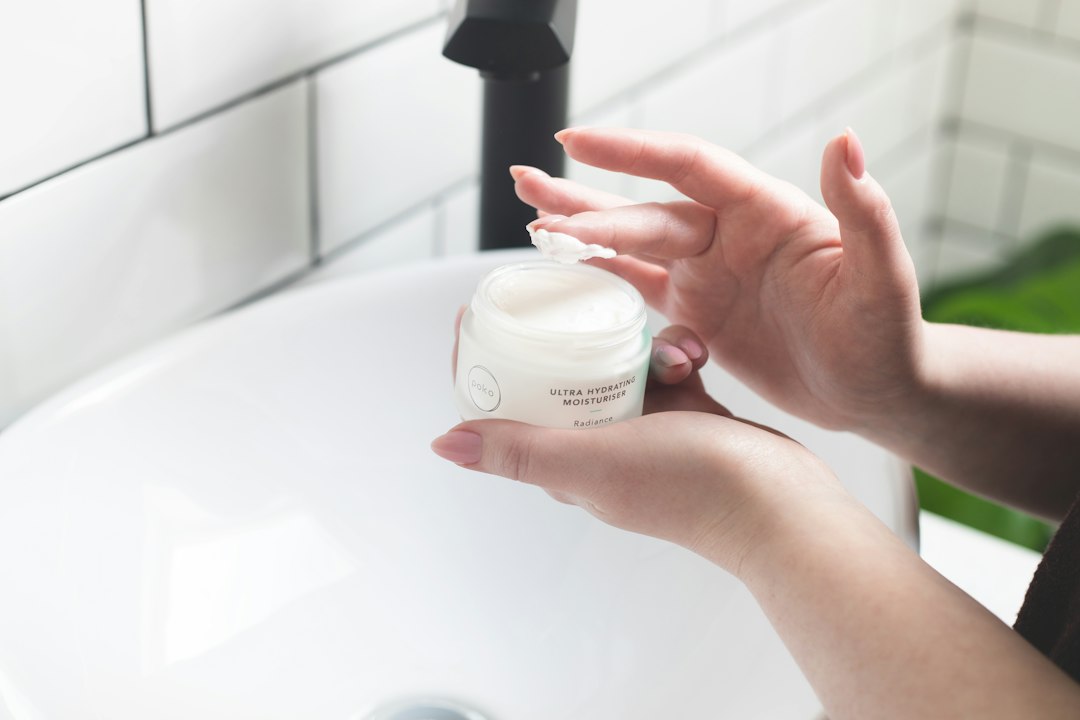
If your priority is to reduce reactivity while improving hydration and texture, aim for a short daily routine: a creamy gentle cleanser, a hydrating antioxidant serum (optional AM), a barrier-repair moisturizer, targeted actives used slowly, and daily sunscreen. Call this your foundation; refine product choices based on patch tests and how your skin responds.
Why sensitive mature skin needs a different plan
Mature skin tends to be drier, thinner and slower to repair. Sensitivity—redness, stinging or flaking—often means the skin barrier is compromised. That makes aggressive exfoliation, strong fragrances and high-dose actives more likely to trigger irritation rather than help. The goal is to rebuild the barrier first, then introduce anti-aging actives cautiously.
Order and purpose: the practical routine
Morning (basic, 4 steps)
- Cleanse gently: Use a cream or lotion cleanser—no foaming gels—once in the morning if you need to remove night products or sweat. Look for “non-foaming” or “cream” on the label; avoid sulfates and strong surfactants.
- Hydrating serum (optional): If you tolerate serums, choose a lightweight hyaluronic acid or glycerin serum to attract moisture. Apply on damp skin to maximize effect.
- Barrier-repair moisturizer: Pick a cream with ceramides, cholesterol and fatty acids or squalane. These replenish lipids the skin loses with age and sensitivity.
- Sunscreen: Broad-spectrum SPF 30+ is non-negotiable. Mineral sunscreens with zinc oxide often sting less on reactive skin than chemical filters; test a small area first.
Evening (repair-focused)
- Double-check makeup removal: If you wear makeup, start with a gentle cleansing balm or micellar water formulated for sensitive skin, then follow with your cream cleanser.
- Treatments and serums: This is where you introduce targeted actives (see next section). Use soothing serums—niacinamide, low‑strength peptides—or a low-irritant antioxidant.
- Rich moisturizer or night cream: Use a slightly richer formula than in the morning if your skin is dry. Look for “repair”, “restore” or “barrier” claims and evidence of ceramides, panthenol or oat extract.
Introducing actives safely for mature sensitive skin
Powerful actives—retinoids, chemical exfoliants, high-dose vitamin C—are useful but also the most common causes of flare-ups. Follow this cadence:

- Start with low concentrations: if trying retinol, begin with 0.1% or a very gentle derivative applied twice weekly at night. If no reaction in 2–4 weeks, increase to every other night, then nightly as tolerated.
- Use pH‑balanced, low‑strength alpha hydroxy acids (like 5–8% glycolic) sparingly—once every 7–10 days—only after the barrier is healthier.
- Niacinamide (2–5%) is well-tolerated and helps strengthen the barrier and reduce redness; it pairs well with most ingredients.
- Powerful vitamin C serums (L‑ascorbic acid) can sting; consider a buffered form, lower concentration (5–10%), or a stable derivative like sodium ascorbyl phosphate.
How to choose ingredients that help, not harm
- Look for: ceramides, cholesterol, fatty acids, hyaluronic acid, glycerin, panthenol, oat extract, squalane, niacinamide, peptides and zinc oxide (for sunscreen).
- Avoid or limit: fragrances, high alcohols, menthol, strong essential oils, and high‑strength acids or retinoids until the barrier is robust.
- Texture matters: creams are usually better than gels or foams for dryness and sensitivity.
When to patch test and how to do it
Always patch test new products for 7 days. Apply a small amount behind the ear or on the inner forearm twice daily. If you see redness, itching, burning or a rash, stop immediately. If mild tightness resolves within 24–48 hours, proceed cautiously on the face.
Practical product suggestion
If you want a ready-made set that follows the “gentle, barrier-first” principle, the OneSkin OS-01 Travel Size Skincare Set offers a TSA-friendly, complete routine—PREP cleanser plus OS-01 EYE, OS-01 FACE, and OS-01 BODY—packed in a travel bag. The travel sizes and coordinated formulations, which include the OS-01 peptide and supportive ingredients like ceramides, tremella mushroom extract, and saccharide isomerate, make it an easy way to try compatible face, eye, and body products without mixing incompatible formulas.

oneskin OS-01 Travel Size Skincare Set: Face, Eye, Body & Cleanser + Bag
This TSA-friendly travel kit contains a gentle PREP cleanser plus OS-01 face and eye treatments and an OS-01 body lotion so readers can trial a compatible cleanser, hydrating serum, and barrier-supporting cream without mixing formulas. The formulas are fragrance-free, dermatologist-tested, suitable for sensitive skin, and the body product is described as boosting skin barrier strength.
Troubleshooting common problems
Persistent stinging after applying products
Rinse off the product, simplify to cleanser and moisturizer only, and stop active treatments. If stinging persists for more than 48–72 hours or is accompanied by swelling, see a dermatologist.

Dry flaking despite moisturizer
Use a richer night cream, apply to slightly damp skin, and consider adding an occlusive like petrolatum or a balm at night to lock in hydration. Avoid over‑exfoliation and reduce acid or retinol frequency.
Redness that won’t calm
Identify irritants (fragrance, exfoliants) and remove them. Add gentle anti‑inflammatory ingredients like colloidal oatmeal, azelaic acid (low dose) or topical niacinamide; consult a clinician if rosacea is suspected.
[h2]Small routine variations for common lifestyles[/h2>- Minimalist (travel or shopping simplicity): cream cleanser, hydrating moisturizer with ceramides, and a mineral SPF.
- Night-focused anti-aging: gentle retinol on alternate nights, niacinamide serum, richer barrier cream on retinol nights.
- Reactive skin that needs calming: limit to hydrating serum and repair cream for 4–8 weeks, then slowly reintroduce actives.
- Choose a non-foaming cream cleanser and patch test it.
- Select a ceramide-rich moisturizer for AM and a slightly richer night cream.
- Add sunscreen (mineral) every morning and reapply outdoors.
- Introduce one active at a time, starting low frequency and low concentration.
- Use serums on damp skin and layer from thin to thick textures.
- Keep a reaction log to track product tolerance and improvements.
For sensitive mature skin, prioritize barrier repair and hydration with a short, consistent routine. Introduce anti-aging actives slowly and choose creamier, fragrance-free formulas to reduce flares while addressing aging concerns.
How often should I use retinol if my skin is sensitive?
Start with a low concentration twice weekly at night; if tolerated for 2–4 weeks, increase frequency gradually to every other night, then nightly as tolerated.
Can I use vitamin C and retinol together?
You can use vitamin C in the morning and retinol at night to minimize irritation, or use vitamin C on alternate days when starting both ingredients.
Are mineral sunscreens better for sensitive mature skin?
Mineral sunscreens (zinc oxide, titanium dioxide) are often less irritating than chemical filters and are a good first choice for reactive skin.
Which moisturizer ingredients help rebuild the skin barrier?
Ceramides, cholesterol, fatty acids, squalane, and panthenol support barrier repair and help reduce sensitivity.
When should I see a dermatologist?
If redness, swelling, blistering, or persistent stinging occur, or if over-the-counter routines don’t improve skin after several weeks, consult a dermatologist.