Wishlist
Many people assume retinol is the same for every age — it's not
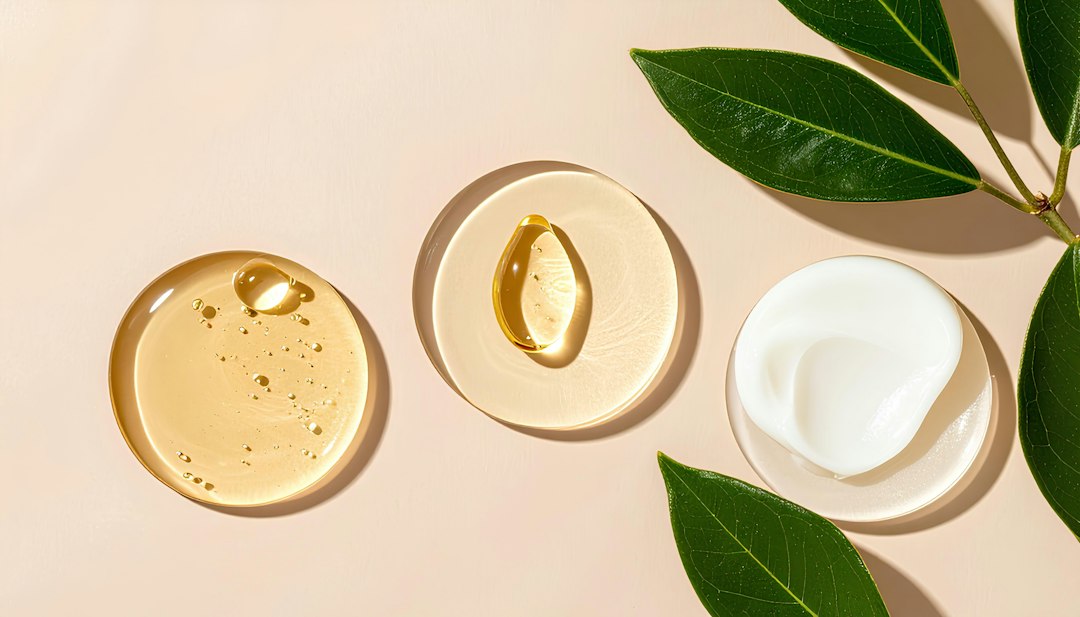
The simplest answer to “Can I use retinol now?” is yes, but how you start matters. Retinol for mature skin should prioritize tolerance and hydration over aggressive strength. If you pick the wrong concentration or pair it poorly with other actives, you'll get irritation instead of improvement.
What retinol does and why it helps mature skin
Retinol is a vitamin A derivative that speeds cell turnover, supports collagen production, and can reduce fine lines, pigmentation and uneven texture. Mature skin commonly has slower renewal, thinner epidermis and a drier barrier — so retinol’s benefits are real, but the risks of sensitivity and dryness are also higher.
How to choose the right product and concentration
Start by matching the retinol strength to your skin’s reactivity, not your hope for fast results.
- Beginner-friendly: 0.025%–0.05% pure retinol or low-dose encapsulated retinols. These are less irritating and easier to build with.
- Intermediate: 0.1%–0.3% after 8–12 weeks of tolerance-building if no persistent irritation appears.
- Stronger options and prescription retinoids (tretinoin) can deliver faster, stronger results but usually require dermatologist supervision and a solid moisturizing/sun protection plan.
- Formats: serums for layering under moisturizer, creams for added hydration, and encapsulated forms for gentler release are all valid; pick the one that fits your routine and skin dryness level.
How to introduce retinol for predictable results
Follow a simple progression rather than a dramatic “start every night” approach.
- Patch test: apply a pea-sized amount to the inner forearm for 3 days in a row and watch for delayed redness or flaking.
- Begin once or twice weekly at night for 2–4 weeks. If tolerated, increase frequency to every other night for another 2–4 weeks.
- After 8–12 weeks, consider moving to nightly use only if your skin is calm. If persistent dryness or peeling occurs, step back to maintenance frequency.
How to layer retinol with other products — practical rules
Layering protects the barrier and reduces irritation.
- Cleanse gently: use a cream or hydrating cleanser suited for mature skin (avoid strong foaming or stripping formulas).
- Apply retinol on dry skin. Moist skin can increase absorption and irritation for some people; others prefer the “buffer” method (apply moisturizer first, then retinol) to reduce sensitivity.
- Follow with a hydrating moisturizer. Look for ceramides, hyaluronic acid, glycerin and fatty acids to support the barrier.
- Morning: always use a broad-spectrum SPF 30+; retinol increases photo-sensitivity and mature skin needs consistent sun protection to preserve gains.
- Avoid stacking strong exfoliants (AHA/BHA), benzoyl peroxide, or other potent retinoids on the same nights; alternate nights instead.
Common hurdles and how to handle them
Expect some adaptation. Mild dryness, transient redness or flaking in the first 4–8 weeks is common. Manageable responses include:
- Increase hydration: add a humectant serum (hyaluronic acid) and a richer nighttime cream.
- Buffering: apply a thin layer of moisturizer before retinol if irritation begins; return to standard layering once calm.
- Reduce frequency: if symptoms persist, drop back to twice weekly and progress more slowly.
- If you see severe redness, swelling, or blistering, stop and consult a clinician — these indicate allergic or overactive reactions.
When a product recommendation helps: a practical starter option
If you want a ready routine to begin with, consider the Revision Skincare D·E·J® Firming Face & Eye Care Set, which pairs a boosting serum, an eye cream, a daytime moisturizer and a nighttime cream with retinol and bakuchiol—an easy, curated multi-piece option for beginners who prefer simplified timing and product compatibility.

Revision Skincare D·E·J® Firming Face & Eye Care Set
This curated 3-step regimen includes a time‑released 0.25% retinol night cream alongside hydrating AM face cream, an eye cream, and a daily boosting serum—providing a simplified, compatible starter routine that pairs mild retinol with moisturizing and barrier-supporting products.
Who should avoid retinol or use extra caution
Retinol is not ideal during pregnancy or breastfeeding — consult a clinician. People with active eczema, open skin wounds, or severe rosacea often need tailored approaches; sometimes non-retinoid alternatives (like bakuchiol or peptide-focused serums) are wiser starting points.
Measuring progress and realistic timelines
Expect gradual improvement: texture and radiance may improve in 6–12 weeks; collagen-related changes and wrinkle reduction usually take 3–6 months of consistent use. Keep a simple photo log under consistent lighting every 4–8 weeks to evaluate improvements objectively.
Small details that make a big difference
Where to go next in your routine
If you’re building a complete anti-aging routine, pair your retinol nights with a gentle cleanser and a rich moisturizer. For morning, prioritize sunscreen and a hydrating antioxidant serum. See our guides on building a simple anti-aging routine and skincare for women over 40 for complementary steps and product ideas.
How to Build a Simple Anti-Aging Skincare Routine · The Best Skincare Routine for Women Over 40
- Patch test any new retinol product on your inner forearm for 3 days.
- Start 1–2 nights per week, increase slowly as tolerated.
- Always use a moisturizer that supports the skin barrier after retinol.
- Apply broad‑spectrum SPF 30+ every morning without fail.
- Avoid combining with strong chemical exfoliants on the same night.
- Document progress with photos every 4–8 weeks.
Retinol can noticeably benefit mature skin when introduced cautiously: choose a low starting concentration, emphasize hydration, always protect with sunscreen, and increase frequency only as tolerance builds. A curated anti-aging set can simplify the process for beginners.
How often should someone over 50 use retinol at first?
Begin with 1–2 nights per week for 2–4 weeks, then move to every other night if tolerated; only consider nightly use after several months without persistent irritation.
Can retinol be used with hyaluronic acid and ceramides?
Yes — hyaluronic acid and ceramides are excellent companions because they hydrate and repair the barrier, reducing retinol-related dryness and flaking.
Is baking retinol with vitamin C in the morning OK?
Retinol is a night product; vitamin C is typically used in the morning. Avoid layering retinol and vitamin C together at night to minimize irritation.
How long before I see results from retinol?
Surface improvements in texture and tone can appear in 6–12 weeks; meaningful collagen and wrinkle changes usually take 3–6 months of steady use.
Are there gentler alternatives to retinol?
Bakuchiol, peptides, and growth-factor serums are gentler options that can improve texture and tone with lower irritation risk, though they may act more slowly than prescription retinoids.