Wishlist
You’re about to add retinol, vitamin C, or an AHA — but your face stings, peels or turns red. How do you get the benefits without the flare-ups?
Start with the end in mind: the goal is steady improvement in skin tone and texture while preserving a calm, intact barrier. Introducing active ingredients without irritating your skin means planning a slow, measurable ramp-up, using supportive products, and knowing exactly what to do if irritation starts.
Core plan: test, dilute, schedule, protect
Follow these four actions in order. They’re the simplest way to reduce risk and keep results consistent.
- Patch test first: try the product on a discreet inner-forearm area for 48–72 hours and watch for redness, itching, or swelling.
- Dilute or buffer if needed: mix a small amount with your moisturizer, or apply moisturizer first to reduce direct exposure.
- Introduce on a schedule: begin with once-per-week application and increase frequency slowly based on tolerance.
- Always protect the skin: daily sunscreen and a barrier-supporting moisturizer are essential when using actives that thin or sensitize skin.
How to patch test and interpret the results
Use a clean area on the inner forearm. Put a pea-size amount, cover loosely with a bandage if you like, and check at 1 hour, 24 hours and 48 hours. A mild transient tingle that fades in an hour is usually acceptable; persistent redness, sharp burning, swelling, blistering or spreading means don’t use the product.
Start with low-strength or buffered forms
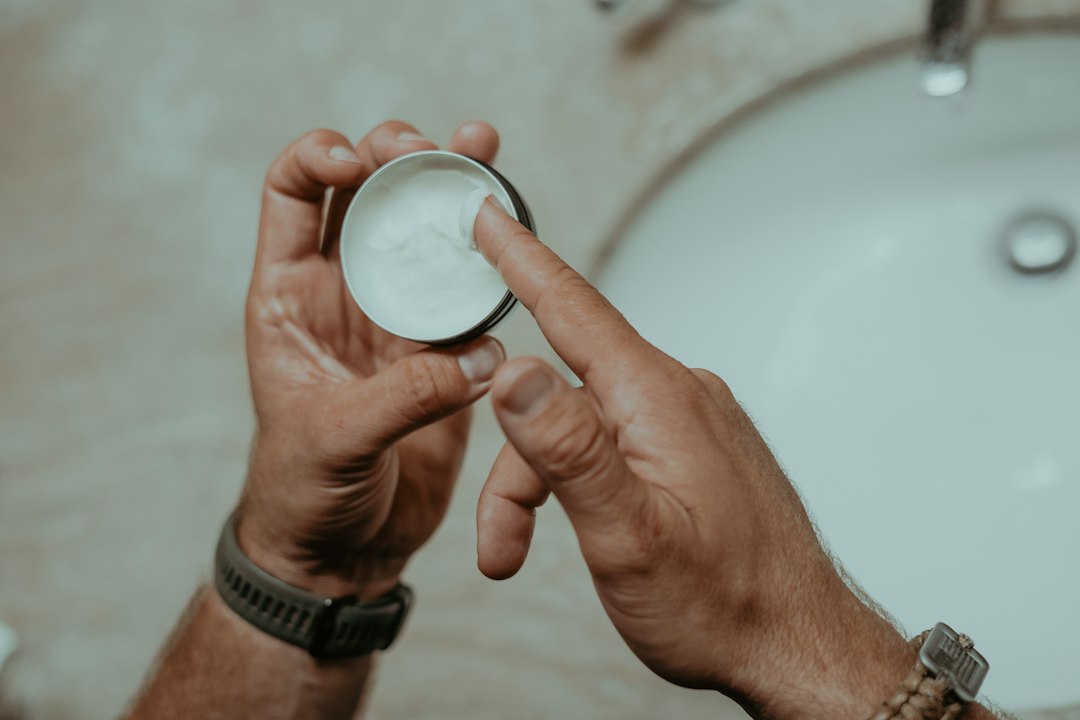
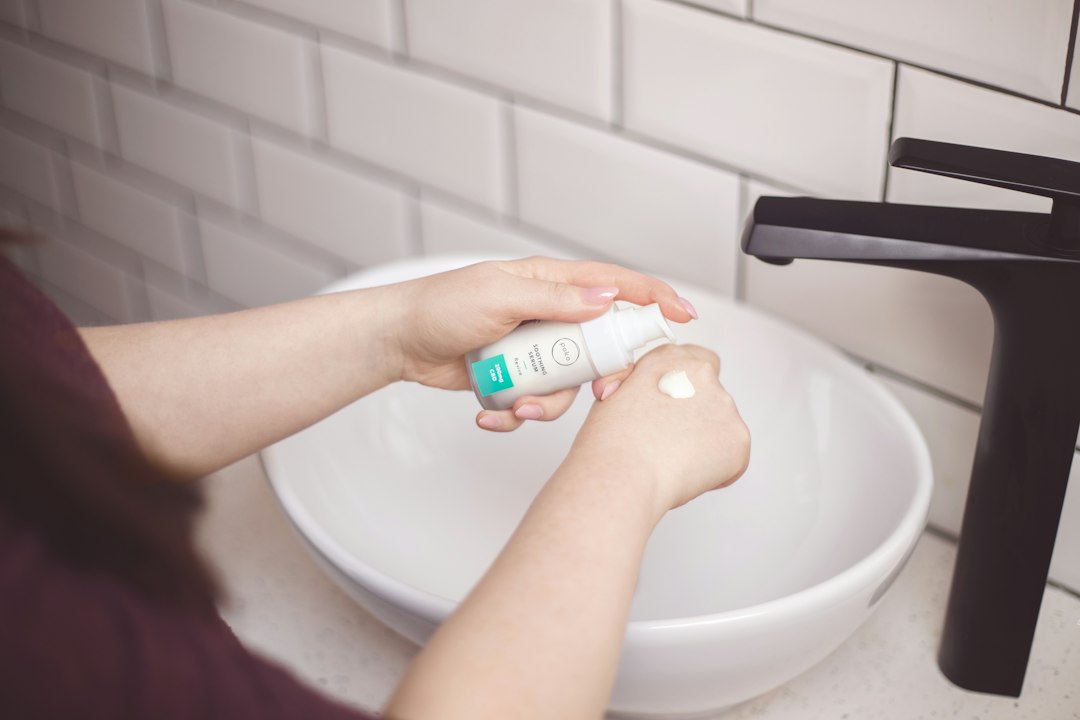
Many actives come in beginner-friendly formats: low-concentration retinols, encapsulated vitamin C, or lactic acid instead of glycolic acid. If a product is only available at one strength, buffer it by mixing a pea-size amount with your fingertip and a nickel-sized amount of moisturizer before applying to your face.

Build a realistic schedule you can stick to
Frequency matters as much as strength. A conservative ramp might look like:
- Week 1–2: once every 7 days
- Week 3–4: once every 4 days
- Weeks 5–8: twice weekly
- After week 8: increase to every other night if no irritation
If irritation appears at any point, drop back two steps (for example, from every other night to twice weekly) and maintain support products until calm returns.
Layering rules: what to combine and what to avoid
Some actives can be used together; others sensitize the skin when stacked.
- Avoid using alpha hydroxy acids (AHAs/BHAs) and retinoids on the same night during the ramp-up—alternate nights instead.
- Niacinamide is generally compatible with vitamin C and retinol and can help reduce redness, so it's a good daytime or AM partner.
- Physical exfoliants (scrubs) should be paused while introducing chemical exfoliants or retinol.
- When in doubt, separate strong actives by morning/evening rather than layering at once.
Protect and repair the skin barrier
Use a simple, lipid-rich moisturizer and daily broad-spectrum sunscreen (SPF 30+). Look for products with ceramides, glycerin, hyaluronic acid and fatty acids — these support barrier repair and reduce trans-epidermal water loss while you adapt to actives. If your routine lacks such a product, consider LuminaSkin Triple Lipid Peptide, an advanced anti-aging cream formulated with 2.5% ceramides, 4% natural cholesterol and 2.2% fatty acids to provide deep hydration and help replenish skin lipids; use it as your moisturizing step or nightly buffer when introducing retinol or acids.

LuminaSkin Triple Lipid Peptide - Restore & Fix Mature Skin Advanced Anti-Aging Cream for Radiant, Smooth Skin
This triple-lipid cream lists 2.5% ceramides plus natural cholesterol (4%) and fatty acids (2.2%) to restore and strengthen the skin barrier and deliver long-lasting hydration, aligning with the article’s recommendation for lipid-rich, barrier-repair moisturizers.
This 6-in-1 Pink Aloe Vera set provides gentle cleanser, toner, serum and a moisturizing cream that can buffer actives and maintain hydration during a ramp-up. Use the cream as your nightly buffer when introducing retinol or acids.
What to do when irritation appears
If you notice persistent redness, stinging, or peeling:
- Stop the suspected active immediately.
- Switch to gentle cleansing and a fragrance-free, occlusive moisturizer to soothe and protect.
- Skip exfoliants and retinol until the skin is visibly calm for several days.
- If symptoms are severe (blistering, swelling, intense pain), seek medical advice.
Special cases and short adaptations
Sensitive or mature skin
Prioritize buffering and use lactic acid instead of stronger AHAs. Consider alternating nights with a calming serum (niacinamide or azelaic acid) rather than increasing frequency of harsh actives.
Oily or acne-prone skin
Exfoliating acids can help but still follow a gradual schedule—oily skin tolerates actives faster sometimes, but chronic irritation worsens oil production and inflammation.
Combining vitamin C and retinol
You don’t need to use both at once. Use vitamin C in the morning for antioxidant protection and retinol at night to reduce overlap and minimize sensitivity.
When to accept a product isn’t right
If a product passes a patch test but repeatedly causes low-level irritation (tightness, semi-regular flaking, persistent redness), it's often better to switch to a gentler formula or a different active with similar benefits. Long-term adherence beats short-lived intensity.
Useful small practices that reduce risk
- Apply actives to dry skin only when the manufacturer advises (some require damp skin for absorption; check instructions).
- Use a pea-size amount of retinol for the whole face—more does not speed results but increases risk.
- Keep a simple tracking note (date, product, feeling after 24/48 hours) to see patterns.
- Store light-sensitive actives like vitamin C in opaque, cool spots to preserve potency and reduce irritation from degraded ingredients.
- Patch test on inner forearm for 48–72 hours
- Start with low strength or buffer in moisturizer
- Follow a gradual schedule (once/week → every other night)
- Alternate acids and retinol; avoid simultaneous use early on
- Support with ceramide-rich moisturizer and daily SPF
- Pause product and simplify routine if persistent irritation appears
Introduce active ingredients deliberately: test first, use lower concentrations or a buffered application, increase frequency slowly, and prioritize barrier repair with moisturizers and sunscreen. If irritation occurs, simplify, soothe, and only reintroduce when fully healed.

How long should I wait between introducing two different actives?
Wait at least two to four weeks after tolerating the first active before adding a second, using a patch test and the same gradual schedule for the new ingredient.
Can I use niacinamide with retinol?
Yes. Niacinamide is usually well tolerated with retinol and can reduce redness—consider applying niacinamide in the morning or alternating nights to lower irritation risk.
What’s the safest active to start with?
Lactic acid at low concentrations (5–10%) or a low-dose retinol (0.01–0.03%) are commonly well tolerated starters; choose based on your skin goals and tolerance.
If my skin peels slightly, is that okay?
Mild, short-lived flaking can be part of adjustment, but persistent peeling or open areas indicate barrier damage—stop the active and prioritize repair.
Do I need a separate product to repair the barrier?
A simple moisturizer with ceramides, glycerin and fatty acids usually suffices; heavy occlusives like petrolatum can be used short-term for severe dryness.